


We made a protein
snack out of wheat.
On purpose.
Here's why that matters.
The rest of the protein aisle gave up on texture twenty years ago. We didn't.
Try Them Now


The protein aisle has
a texture problem.
Whey turns chalky. Pea tastes like the bag it came in. Soy leaves an aftertaste that outlasts the snack. The category solved for grams per serving and forgot that food is meant to be eaten, not endured.
Most "protein" snacks are powder pretending to be food. Powder pressed into a bar. Powder puffed into a chip. Powder dusted onto something else.
another powder.
We wanted food.
Wheat, actually.
Wheat gluten is 75-80% protein.
More than chicken.
More than steak.
More than anything in your gym bag.
And it's the only plant protein that bakes into actual food.
Whey is a powder. Pea is a powder. Soy is a powder. Wheat protein is a structure - it forms dough, holds shape, crisps when baked, and behaves like an ingredient instead of an additive. That's why every great crunchy food in human history is made from it.
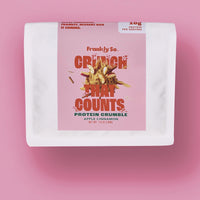
We start with wheat gluten - 75-80% protein at the source - and texturize it into our toppings and crumbles, which bake to 45-50% protein by weight. For context: chicken breast is 31%. Steak is 26%. A scoop of whey is around 80%, but you can't bake whey into anything you'd actually want to eat.
Every other plant protein
is a powder pretending
to be food.
Pea protein has to be bound, gummed, and disguised. Soy needs masking agents to hide what it tastes like raw. Whey can't be baked - it denatures and turns rubbery.
Wheat protein doesn't need to be hidden. It's the only one that holds its own. Mix it, hydrate it, bake it - it crisps, it holds, it crunches. It's behaved like food for ten thousand years because it is food.
"Yes, but isn't
gluten bad?"
Let's talk about it.
Roughly 1% of the population has celiac disease and genuinely cannot eat wheat.1 For everyone else, gluten became a wellness scapegoat somewhere around 2012 - a clean villain for a category that needed one. The marketing got loud. The science never caught up.
The Mayo Clinic is clear: outside of celiac disease and a small population with non-celiac wheat sensitivity, there's no demonstrated benefit to a gluten-free diet for the general population.2 Multiple peer-reviewed reviews have come to the same conclusion.3
We're not anti-gluten-free. If you have celiac disease, this product isn't for you, and we'd never pretend otherwise. We're pro-actually-reading-the-research.
2Mayo Clinic, "Gluten-free diet" - mayoclinic.org
3Lebwohl et al., BMJ 2017; Niland & Cash, Gastroenterol Hepatol 2018
A crunch that
doesn't apologize.
100 calories.
6 ingredients.
Because we started with the right protein, we didn't need to compensate for it. No protein isolates added back in. No texturizers covering for a weak base. No flavor-masking agents.
The rest are there to make it taste like food.
You've read this far.
You already know.
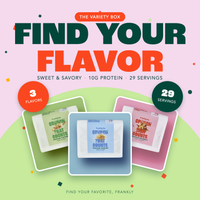
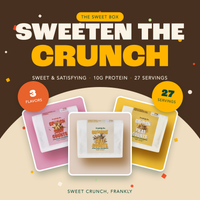
The whole protein category bet against wheat. We bet on it. If you want to taste the difference, the Variety Box is the easiest way in.
Shop Variety Box Read our story →